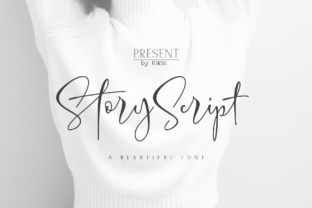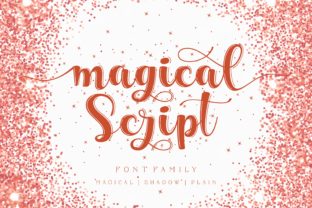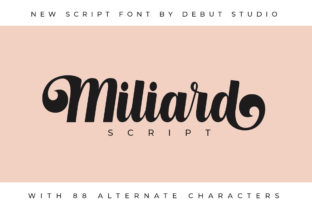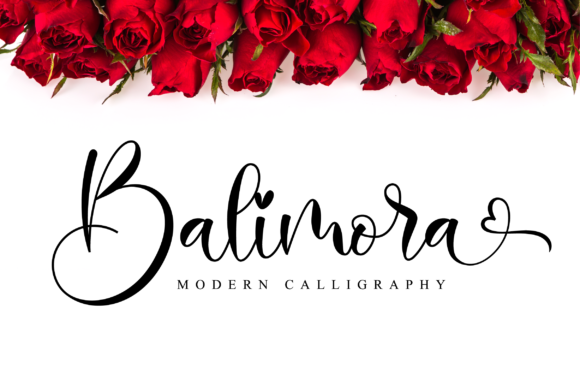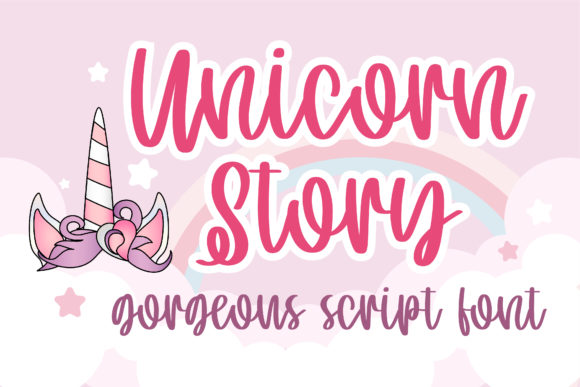
Unicorn Story Font for Web Design and Branding
Selecting the right typeface is one of the most critical decisions in digital product design. As web designers and UI creators, we understand that typography does more than display text; it establishes tone, guides user behavior, and reinforces brand identity. Unicorn Story is a script font that bridges the gap between organic warmth and digital precision. Its sweet and friendly aesthetic offers a unique solution for projects requiring a personal touch without sacrificing professional polish. When integrated correctly into websites, landing pages, and app interfaces, this typeface transforms generic layouts into memorable brand experiences.
Visual Personality and Digital Appeal
Unicorn Story distinguishes itself through a natural flow that mimics genuine handwriting while maintaining the structural integrity required for screens. Unlike many decorative fonts that suffer from poor legibility at smaller sizes or on lower-resolution displays, this typeface balances artistic flair with functional clarity. The letterforms possess a rhythmic consistency that prevents visual fatigue, making it suitable for extended headlines rather than just single-word logos.
For digital creators, the "sweet and friendly" description translates to specific UX benefits. In an era where users are skeptical of overly corporate aesthetics, Unicorn Story introduces approachability. It softens the hard edges of modern web design, creating an emotional connection before the user even processes the content. This is particularly valuable for brands in the wellness, education, children’s products, and creative coaching sectors where trust and empathy are primary conversion drivers.
Strategic Applications in Web Layouts
The versatility of Unicorn Story allows it to perform across various digital touchpoints. However, its strength lies in strategic placement within the visual hierarchy. It functions best as a display font for high-impact areas rather than utilitarian text.
- Hero Sections: Use Unicorn Story for the primary H1 or value proposition to immediately establish a welcoming tone. The script style draws the eye naturally, increasing dwell time on above-the-fold content.
- Call-to-Action Accents: While body copy should remain in a clean sans serif, using this font for CTA button text or supporting labels (e.g., "Start Your Journey") can increase click-through rates by making interactive elements feel more inviting.
- E-commerce Banners: For boutique online stores, promotional banners featuring Unicorn Story feel less like aggressive advertising and more like personal recommendations, aligning with modern conversational commerce trends.
- Content Headers: Break up long-form blog posts or course modules with H2 or H3 tags in this typeface to create visual rhythm and reduce cognitive load during scrolling.
- Digital Brand Kits: Incorporate the font into social media templates, email newsletter headers, and webinar slides to maintain a consistent cross-platform identity.
Readability and Responsive Performance
A beautiful font fails if it compromises usability. When implementing Unicorn Story in responsive environments, specific considerations ensure accessibility and performance. Script fonts often struggle on mobile devices due to reduced viewport width. To mitigate this, reserve Unicorn Story for larger breakpoints or ensure sufficient scaling on mobile. Testing reveals that this typeface maintains legibility down to approximately 24px on standard screens, but going smaller risks losing the delicate connecting strokes that define its character.
Contrast is equally vital. The organic lines of Unicorn Story require ample negative space to breathe. On dark backgrounds, use lighter weights or increased letter-spacing to prevent the strokes from bleeding together visually. Conversely, on light backgrounds, ensure the color contrast ratio meets WCAG standards. Because script fonts have varying x-heights and ascenders, line-height settings must be generous—typically 1.5 to 1.8 times the font size—to prevent overlapping lines in multi-line headings.
Effective Font Pairing Strategies
Unicorn Story shines brightest when paired with contrasting typefaces that ground its decorative nature. Successful font pairing creates a balanced ecosystem where each typeface serves a distinct purpose.
Pairing with Sans Serif Fonts
For SaaS platforms, tech startups, or modern e-commerce sites, pair Unicorn Story with a geometric or neo-grotesque sans serif font like Inter, DM Sans, or Outfit. The clean, structured lines of the sans serif provide necessary stability for body copy, navigation menus, and footer links. This combination signals that while the brand is friendly and creative, the underlying product is reliable and functional. The sans serif handles the information density, allowing Unicorn Story to serve purely as an emotional anchor.
Pairing with Serif Fonts
For editorial sites, luxury boutiques, or portfolio websites, consider pairing Unicorn Story with a refined serif font such as Playfair Display, Lora, or Merriweather. This combination evokes sophistication and timelessness. The serif adds an element of tradition and authority, while the script injects personality. This pairing is ideal for storytelling-heavy layouts where the goal is to immerse the user in a narrative experience.
Technical Considerations for Implementation
Before deploying Unicorn Story to production, verify the technical assets included in your license. Modern web typography requires more than just a TTF file. Ensure you have access to WOFF2 formats for optimal loading performance. Check for OpenType features; many premium script fonts include alternate characters, swashes, and ligatures that can elevate custom logo designs or special section headers. These alternates allow designers to avoid repetitive letterforms in longer phrases, maintaining the illusion of natural handwriting.
Multilingual support is another critical factor for global digital products. If your website serves diverse audiences, confirm that Unicorn Story includes the necessary glyph sets for accented characters. Nothing breaks brand consistency faster than a fallback system font appearing in the middle of a stylized headline because of a missing é or ñ.
Licensing for Commercial Digital Projects
Understanding font licensing is non-negotiable for professional web designers. Unicorn Story typically falls under specific commercial licensing tiers depending on usage. A desktop license may cover mockups and static design assets, but live websites usually require a separate webfont license based on monthly pageviews or domain count.
For agencies and freelancers managing multiple client projects, verify whether your license permits use in client deliverables or if each end-client requires their own license. Similarly, if you are creating digital templates, themes, or Canva kits for resale, a specialized extended or app license is often mandatory. Always review the specific EULA provided with the Script Amp asset to ensure compliance. Proper licensing protects both the designer and the client from legal complications while supporting the type foundry’s continued development of high-quality creative fonts.
Integrating Unicorn Story into your digital toolkit offers a pathway to distinctive, human-centered design. By respecting its readability constraints, pairing it thoughtfully, and applying it strategically within conversion-focused layouts, you leverage typography not just as decoration, but as a fundamental business asset. Whether designing a playful landing page or a sophisticated brand identity, this typeface provides the flexibility needed to make digital spaces feel genuinely welcoming.