Hellowita Font Review: Elevating Small Business Branding
It was 10 PM on a Tuesday, and I was staring at a mockup for a new artisanal candle line. The product itself was perfect—hand-poured soy wax with notes of fig and cedar—but the label felt flat. I had tried three different typefaces that afternoon, but none of them captured the warmth and organic luxury we were aiming for. One looked too corporate, another too childish, and the third simply disappeared against the textured paper stock. This is the exact moment where typography stops being just "text" and starts becoming the voice of your brand. That night, I tested Hellowita, and the difference in the mockup was immediate. It wasn't just a font change; it was a shift in perceived value.
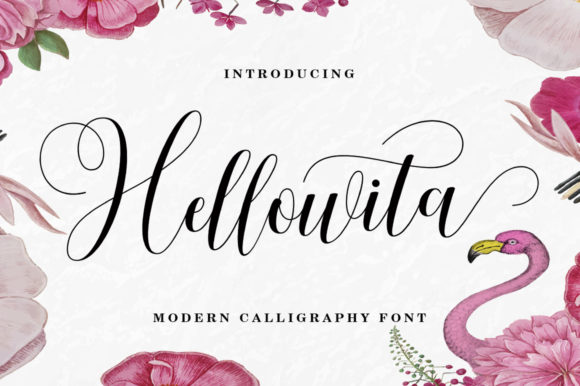
As a creative consultant working with small businesses, I see this struggle constantly. Entrepreneurs pour their hearts into product development, only to stumble at the finish line because their visual identity doesn't match their quality. Hellowita is a script font that bridges that gap beautifully. It is gorgeous and light, featuring fabulous swashes that add movement without feeling chaotic. For business owners navigating the crowded marketplace of handmade goods, boutique retail, or personal branding, finding a typeface that feels both contemporary and timeless is rare. Here is my honest review of how Hellowita performs in real-world commercial applications.
First Impressions on Product Packaging and Labels
When evaluating any display font for physical products, readability at small sizes is my primary concern. A script can look stunning on a computer screen at 72pt, but if it turns into an illegible scribble on a 2-inch jar label, it is useless for commerce. Hellowita surprises me here. Despite its elegant, flowing nature, the letterforms are open enough to remain distinct even when scaled down for cosmetic labels or pantry stickers.
In our candle project, we used Hellowita strictly for the scent name—"Fig & Cedar." The light weight of the typeface allowed it to breathe against the dark amber glass, while the subtle swashes added a handcrafted touch that signaled "artisanal" to the customer instantly. It didn't compete with the regulatory text or the logo; it elevated them. This balance is crucial for packaging design. You want the font to act as a decorative accent that guides the eye, not a barrier to information. If you are designing for skincare, jewelry tags, or bakery boxes, Hellowita offers that premium feel without sacrificing the clarity your customers need to make a purchase decision.
Creating Consistency Across Digital and Print Touchpoints
A common mistake I see in small business branding is using one font for Instagram and a completely different vibe for printed thank-you cards. This disconnect confuses customers and dilutes brand recognition. Hellowita works exceptionally well as a unifying element across these mixed media channels because of its versatile personality. It has a contemporary charm that translates seamlessly from high-resolution print to mobile screens.
For social media graphics, specifically Instagram Stories and Pinterest pins, this typeface shines as a headline or hook. Because it is a lighter script, it pairs beautifully with solid color backgrounds or overlaid on photography without looking heavy or dated. I recently advised a floral designer to use Hellowita for her seasonal workshop announcements. On digital ads, the swashes created natural leading lines that directed viewers toward the "Book Now" button. In print, those same swashes turned a simple business card into a keepsake. When your typography is consistent, your business looks more established and trustworthy, even if you are a team of one operating out of a home studio.
Practical Font Pairing Strategies for Non-Designers
Hellowita is a star performer, but every star needs a supporting cast. As a script font, it should never be used for body copy or long paragraphs. Doing so fatigues the reader and diminishes the specialness of the script. To get the most professional results, you need to pair it correctly. Here are three reliable combinations I recommend for business materials:
- The Modern Minimalist: Pair Hellowita with a clean, geometric sans serif font (like Montserrat or Lato). Use the sans serif for all functional text, pricing, and descriptions. The contrast between the structured sans serif and the fluid script creates a high-end, editorial look perfect for fashion boutiques or tech-forward beauty brands.
- The Heritage Classic: Combine Hellowita with a traditional serif font (like Playfair Display or Garamond). This pairing evokes nostalgia and craftsmanship, making it ideal for bakeries, wedding vendors, or antique shops. The serif grounds the whimsy of the script, adding a layer of maturity and reliability.
- The Organic Handwritten: For brands that want to emphasize the "maker" aspect, pair Hellowita with a neat, monoline handwritten font for secondary accents. Be careful here—you do not want two competing scripts. Ensure the secondary font is much simpler and smaller than Hellowita to maintain hierarchy.
Navigating Licensing and Technical Details for Commercial Use
Before you fall in love with a font and print 500 boxes, you must handle the logistics. Hellowita falls under the Script Amp category, which generally implies a focus on stylistic alternates and expressive characters. When downloading or purchasing, always check the specific file formats included. For professional printing and cutting machines like Cricut or Silhouette, having both OTF and TTF files is beneficial. OTF files often contain better support for OpenType features, which is where Hellowita’s magic lives.
Speaking of OpenType, take the time to learn how to access the alternates and ligatures. The "fabulous swashes" mentioned in the product description are often tucked away in these glyph panels. Using the standard keyboard characters alone gives you only about 40% of the font's potential. Accessing the alternate capital letters or extended tail swashes is what transforms a generic template into custom lettering. Additionally, verify the commercial licensing terms. If you plan to use this font on merchandise for sale, client work, or digital templates you intend to sell, ensure your license covers those specific uses. Respecting intellectual property is part of running a sustainable, ethical business.
Why Typography Matters for Customer Perception
We often think of fonts as merely aesthetic choices, but they are actually strategic business tools. In the split second it takes a customer to scroll past your post or glance at your shelf, the typography communicates price point, quality, and brand values before they read a single word. A clunky, pixelated, or inappropriate font signals "amateur," which makes customers hesitant to trust your product safety or service quality. Conversely, a thoughtful selection like Hellowita signals intentionality.
When I updated that candle label, the feedback wasn't "nice font." The feedback was "this looks expensive" and "I want to give this as a gift." That is the ROI of good typography. Hellowita provides a polished, consistent visual language that helps small businesses punch above their weight class. It allows you to create ownable assets—from website banners to unboxing experiences—that feel cohesive and deliberate. Whether you are refreshing a café menu, launching an Etsy shop, or rebranding a coaching practice, investing time in selecting the right typeface is one of the highest-leverage activities you can undertake. It turns your business from a commodity into a brand with a story worth telling.