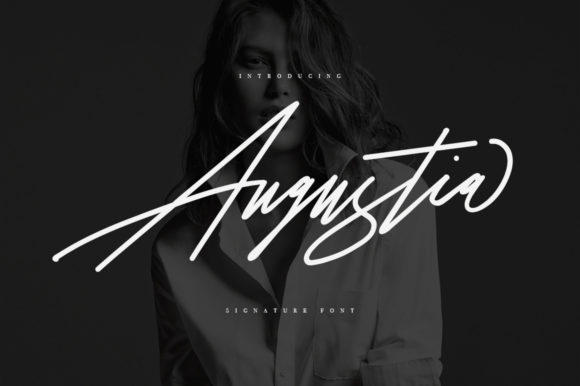
Augustia Font: Elegant Script for Handmade Products
As a small business owner and creator, finding the perfect typeface is often the difference between a design that looks homemade and one that looks professionally crafted. We spend hours refining our products, whether we are pouring soy candles, designing wedding stationery, or creating digital planner stickers. The typography we choose carries as much weight as the product itself. Augustia is a stylish and elegant script font that has quickly become a staple in my design toolkit because it bridges the gap between delicate aesthetics and commercial readability. It offers that coveted handwritten touch without sacrificing the clarity needed for product labels and branding.
Elevating Product Packaging and Labels
When designing packaging for physical goods, legibility is just as important as beauty. A common struggle with many decorative fonts is that they become illegible at smaller sizes or when printed on textured materials. Augustia solves this problem by maintaining consistent stroke weights and open counters. This makes it exceptionally useful for candle labels, soap wrappers, and boutique tags where space is limited but style is non-negotiable.
I have found this typeface particularly effective for artisanal food packaging and skincare lines. The flowing nature of the letters suggests organic, handmade quality, which aligns perfectly with customer expectations in these niches. Unlike overly distressed or grunge-style display fonts, Augustia retains a clean elegance that communicates premium quality. When you are selling a luxury item, your font choice must reflect that value. Using this script font for product names or scent descriptions adds an immediate layer of sophistication that helps justify a higher price point and builds brand trust.
Creating Emotional Connections in Stationery
For those of us in the paper crafting and invitation design space, emotion is the primary product. Clients aren't just buying cardstock; they are buying a feeling. Augustia excels here because its visual personality is warm and approachable yet refined. It avoids the stiffness of standard system scripts while steering clear of the chaotic messiness of some raw handwriting fonts. This balance makes it ideal for wedding welcome boards, save-the-dates, and formal event invitations.
Beyond weddings, this font is a powerhouse for greeting cards and printable wall art. When creating quote prints or affirmation cards, the text needs to feel personal, as if written by a friend. Augustia delivers this intimacy effectively. For Cricut and Silhouette users, the letterforms are generally smooth enough to cut well on vinyl and cardstock, though it is always wise to test cut intricate swashes on scrap material first. If you are designing digital downloads like editable templates for Etsy, including Augustia as a suggested pairing or embedded option can significantly increase the perceived value of your listing.
Strategic Font Pairing for Brand Identity
No font exists in a vacuum, and successful product design relies heavily on effective font pairing. Because Augustia is an expressive script font with significant personality, it requires a supportive partner rather than a competitor. My go-to strategy is pairing it with a clean, geometric sans serif font for body copy and technical details.
- For Product Labels: Use Augustia for the product name (e.g., "Lavender Mist") and a simple sans serif for the ingredients list, volume, and safety warnings. This creates a clear visual hierarchy that guides the customer’s eye.
- For Social Media Graphics: Pair Augustia with a bold serif font for headlines. The contrast between the structured serif and the fluid script creates a modern, editorial look that performs well on Instagram and Pinterest.
- For Business Cards: Let Augustia handle the business name or tagline, while using a highly readable monoline font for contact information and URLs. Never use a complex script for phone numbers or email addresses, as it hinders functionality.
This versatility allows you to build a cohesive brand identity across multiple touchpoints. Whether you are designing web banners, merchandise tags, or email newsletters, maintaining this consistent typographic relationship reinforces brand recognition.
Technical Considerations for Makers and Sellers
Before integrating any new creative font into your production workflow, practical checks are essential. When working with Augustia, pay close attention to OpenType features. Many premium script fonts include contextual alternates, ligatures, and swashes that transform the typing experience from mechanical to organic. Accessing these glyphs can prevent awkward spacing issues and make connected lettering look seamless. Always check the file formats included; having both OTF and TTF files ensures compatibility across different design software and cutting machine platforms.
Readability testing is another critical step. What looks beautiful on a 27-inch monitor may fail on a 2-inch sticker. Print your designs at actual size before finalizing any product run. Check how the font renders on dark backgrounds versus light ones, as thin script strokes can sometimes disappear against busy patterns or dark colors. If you are using Augustia for apparel like tote bags or t-shirts, consider the printing method. Screen printing may require slightly thicker strokes or bolder weights compared to direct-to-garment or heat transfer vinyl to ensure longevity and visibility.
Navigating Commercial Licensing for Small Businesses
One of the most important aspects of using fonts for business is understanding licensing. As creators, we must respect the intellectual property of type designers while ensuring our own businesses are protected. Augustia falls under the category of commercial fonts when used for profit-generating activities. Before listing any product featuring this typeface, verify the specific license terms provided by the foundry or marketplace.
Licenses typically differentiate between physical end products (like mugs, shirts, and printed cards) and digital assets (like editable templates, SVG bundles, or logo kits). A standard commercial license usually covers physical sales up to a certain unit limit, but creating digital templates often requires a separate, extended license. Additionally, using a font to create a trademarked logo usually necessitates a specialized logo license. Taking the time to secure the correct usage rights prevents legal headaches down the road and supports the designers who create these valuable assets. Proper licensing is not just a legal requirement; it is a mark of professional integrity that customers and peers respect.
Versatility Across Seasonal and Niche Projects
The true test of a workhorse font is its adaptability across different seasons and niches. Augustia proves its worth here by avoiding overly thematic stylistic quirks. It doesn't look exclusively "Christmas-y" or strictly "summery," making it a year-round asset. You can use it for spring garden party invitations, summer lemonade stand signage, autumn harvest market labels, and winter holiday gift tags simply by changing the color palette and supporting graphics.
For niche sellers, this adaptability translates to efficiency. A pet treat baker can use it for elegant dog biscuit packaging, while a baby shop owner can use the same font for nursery wall art. The font’s neutral elegance allows the surrounding design elements to dictate the mood. This reduces the need to constantly purchase new seasonal fonts, streamlining your asset library and keeping your brand aesthetic consistent even as your product line expands. Ultimately, Augustia serves as a reliable foundation for creators who demand both beauty and utility in their design resources.